Free Salsa Dancer’s Foot Mobility & Stability Enhancement Guide.
Check it out →
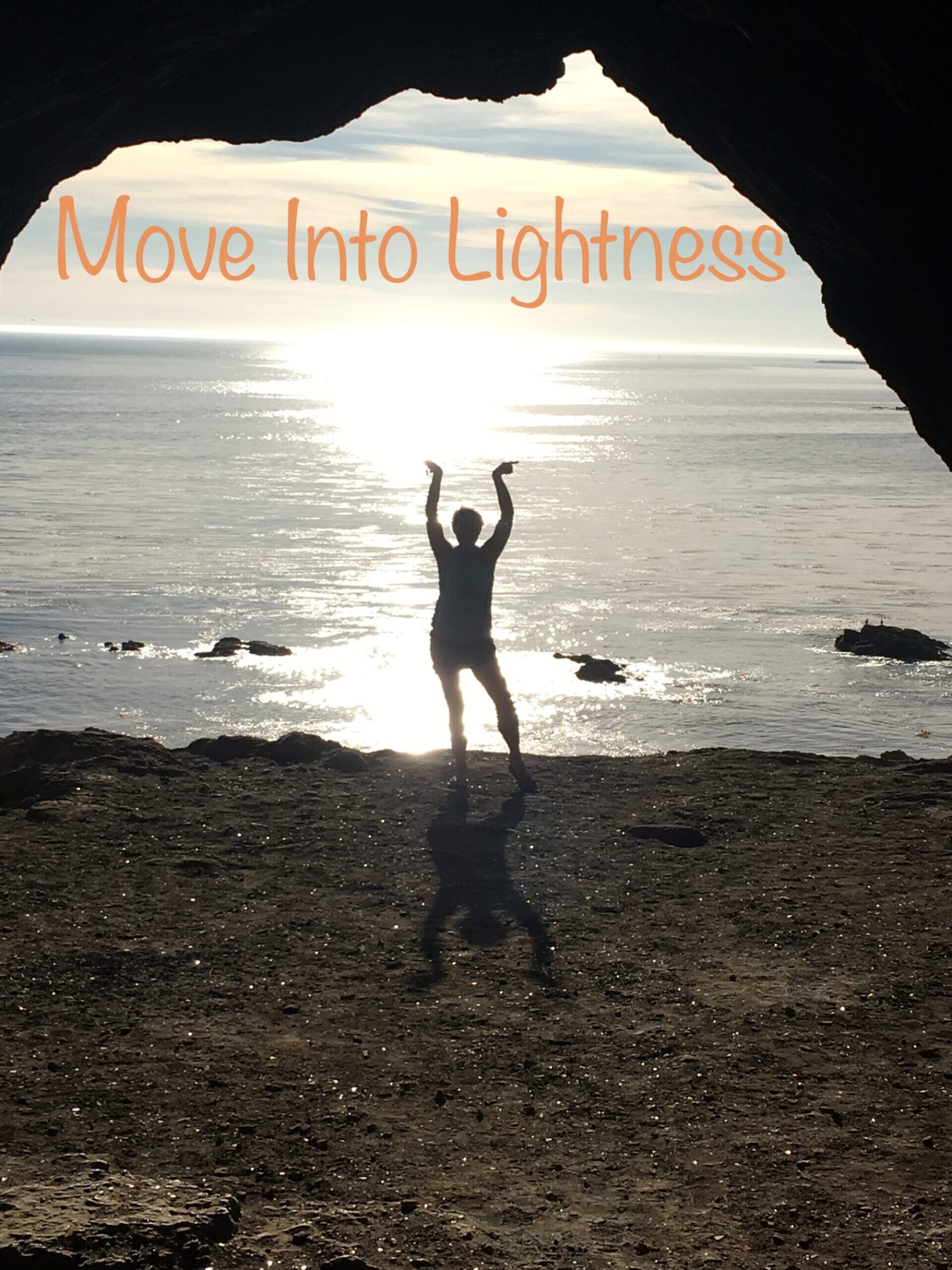
What creates that quality of effortless grace?
That feeling of floating, of riding a wave, of making the hardest thing look easy — found not in trying harder, but in releasing what no longer serves.
Where Lightness Lives
Not in trying harder.
In releasing what no longer serves.
The answer, I discovered, lives in the body’s deepest architecture. Not in trying harder, but in releasing what no longer serves — the held tensions, the protective patterns, the reflexes that once kept us safe but now keep us small.
Through MNRI (Masgutova Neurosensorimotor Reflex Integration), I work with dancers, movers, and anyone ready to shed what’s heavy — physically, emotionally, neurologically — and rediscover what it feels like to move through life with ease, joy, and freedom.
Lightness isn’t about being lightweight. It’s about being unburdened.
How It Supports Dance
Five ways reflex integration
shapes a dancer’s skill.
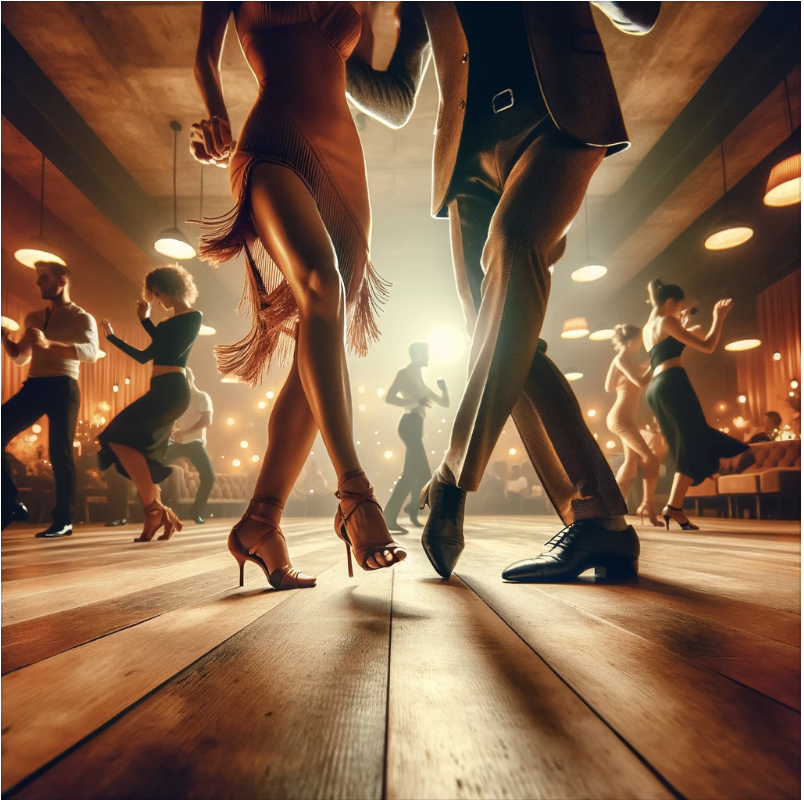
Moveintolightness helps develop dance skills by addressing underlying neurosensorimotor systems and integrating reflexes.
Foundation
Motor Control and Coordination
Improving motor control and coordination by addressing and integrating reflex patterns — enhancing dancers’ ability to execute precise movements, maintain balance, and transition smoothly between steps.
Precision & Balance
Foundation
Body Awareness and Alignment
Improving sensory-motor integration to help dancers develop a heightened sense of body awareness — to align correctly, maintain proper posture, and achieve optimal positioning during dance movements.
Posture & Position
Core Work
Reflex Integration
Targeting the integration of reflexes essential for movement and coordination — optimizing how they function to improve response time, agility, and overall fluidity in dance routines.
Agility & Fluidity
Core Work
Sensory Integration
Techniques that work on sensory stimulation and the modeling of correct motor responses — improving how dancers process proprioception, touch, and vision, and sharpening their perception of movement and space.
Perception & Space
And What Ties It Together
Reflexes shape more
than just movement.
Emotional Regulation
This practice recognizes the crucial role of emotional regulation in dance performance. By addressing emotional responses and integrating the reflexes involved in regulating them, dancers can improve their ability to express emotion through movement — leading to more authentic, impactful performances.
A Comprehensive Approach
Overall, moveintolightness provides a comprehensive approach to neurodevelopment, targeting key areas that directly impact dance skills. By enhancing motor control, body awareness, reflex integration, sensory processing, and emotional regulation, it supports dancers in honing their technique and expanding their artistic expression.
Free Guide
Salsa Dancer’s Foot Mobility
& Stability Enhancement Guide
Join the waitlist
Click below to be put on the waitlist for the Salsa Dancer’s Foot Mobility & Stability Enhancement Guide.
Book a Free Consultation
Ready to move
into lightness?
Schedule a free consultation to talk through what’s holding you back and how MNRI reflex integration can help you find more ease in your body.